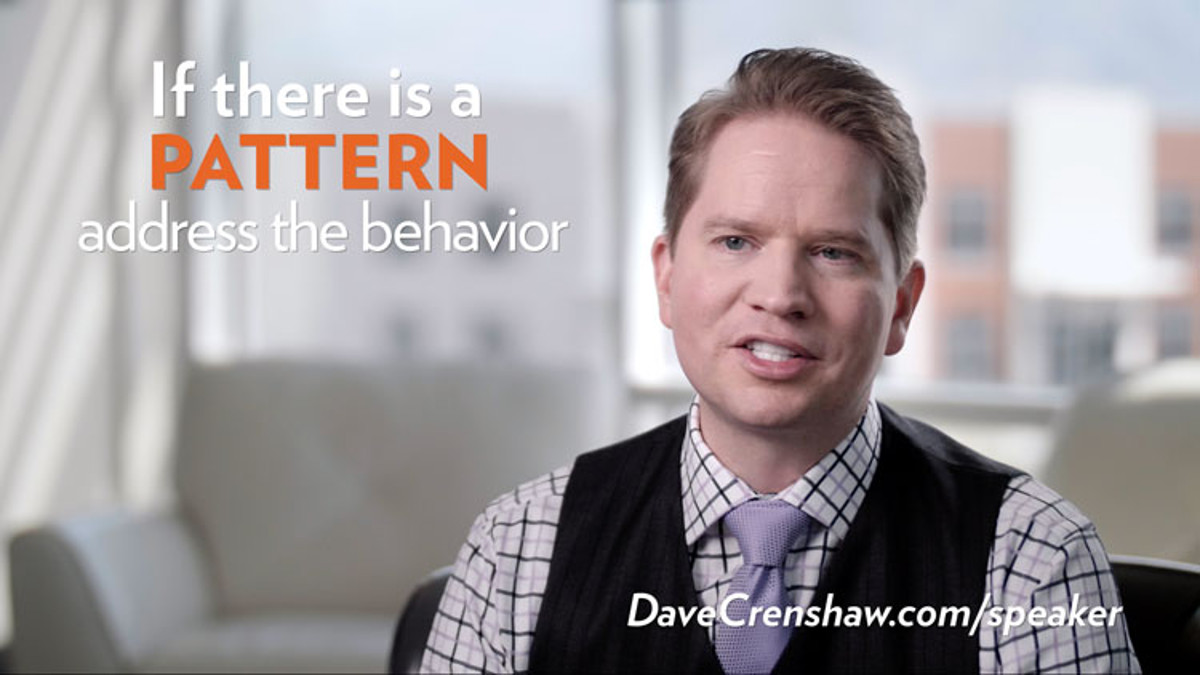
When someone makes a mistake, consider: is this an incident, or is it a pattern? Incidents happen once; patterns happen multiple times. Unless the mistake is extreme, incidents can largely be ignored. If there is a pattern, then you can address the behavior and how to help them improve. If you’d like more training on … Continue reading “Why effective leaders use a mistake as a training tool”
How meeting reminders help everyone

Recently, I received a question from a LinkedIn Learning learner in my course, Leading Productive Meetings. She asked why I recommend creating meeting reminders—after all, doesn’t that lead to more interruptions? Technically, yes, but here is why I find it’s necessary. From my perspective, the advanced warning gives people an opportunity to power down from … Continue reading “How meeting reminders help everyone”
Why “multitasking” is an inefficient word

Even the word multitasking is inaccurate and inefficient. Why? Because we’re trying to use one word to describe multiple different processes. This is why I suggest we replace it with two words: Switch-tasking and Background-tasking. I go into more detail on what those words mean in the video below, so please watch to learn which … Continue reading “Why “multitasking” is an inefficient word”
How to use buffer space in your calendar

In a world that’s addicted to the hustle mentality of “go, go, go,” we must learn to leave ourselves buffer space between appointments for our sanity AND productivity. A buffer—just a few minutes without any commitments—is essential to managing a successful schedule. It gives you time to process and recharge! Is your office environment one … Continue reading “How to use buffer space in your calendar”
Why you should schedule interruptions

We live in a world of interruptions. All jobs have a certain number of expected daily attention switches—some more than others! Don’t fight the truth of time. Leave buffer space between appointments to respond to these interruptions, and you’ll get more done than trying to pack your schedule full. Time doesn’t always have to be … Continue reading “Why you should schedule interruptions”


